Why a Familiar Place at the Table Feels Like Home
A familiar place at the table can make shared meals feel welcoming. Set a gentle routine, keep it flexible and let everyone belong without claiming a seat.
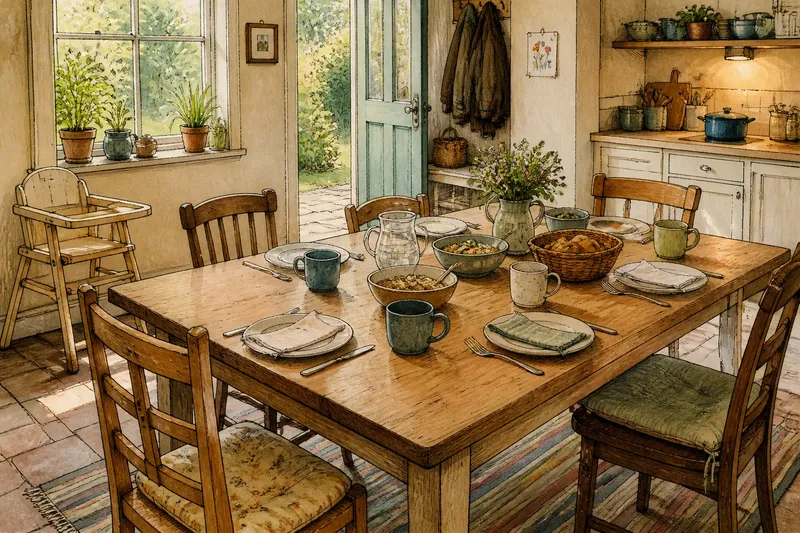
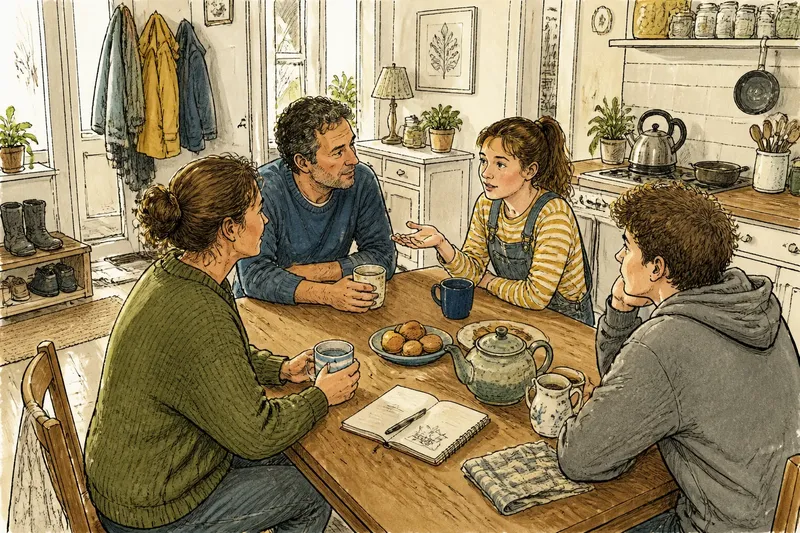
Why does a familiar place at the table feel like home, even when the chair is plain and the meal is Tuesday’s leftovers? A familiar place at the table gathers small, repeated acts: someone sets out a mug, another knows where the serving spoon goes, and a seat becomes part of the household’s shared rhythm. The useful trick is to let the custom offer recognition without turning it into a reservation system.
Notice the existing pattern
Before assigning anyone a place, watch how people already use the table. Notice who arrives first, where a child can reach the water jug, which chair is easiest for someone who needs more room, and where bags or a high chair tend to land. A household’s routine is usually visible in its traffic, even if nobody has formally named it.
Look across several ordinary meals rather than relying on a special occasion. A seat that seems ideal during Sunday lunch may be awkward when someone brings in a laptop, serves a hot dish, or needs to leave early. The point is not to record every movement, but to see which parts of the arrangement quietly help.
Keep the observation neutral. If one person tends to sit at the end, that may reflect a preference, a practical need, or simply the fact that the place was open first. Ask casually if the reason matters; do not turn a chair into evidence in a household investigation.
Choose a useful anchor
A familiar place does not need to be permanently claimed. It can be a recognisable starting point: the chair near the kitchen doorway, the spot with a clear view of the garden, or the place beside the person who usually pours tea. Choose an anchor that makes sense in the room, not one that makes the table harder to share.
Think about access before sentiment. Can people sit down and stand up without moving another chair? Is there room for plates, elbows and a serving dish? If someone uses a particular seat because it is easier to get in or out, that practical need should carry more weight than a decorative arrangement.
Say you are arranging a small kitchen table where one person often comes home late. You might keep the chair by the wall as their familiar place, but leave the place setting off until they arrive; the expected result is a recognisable seat that does not turn an empty place into an obstacle or obligation.
Make the cue small
Once a place feels workable, choose one modest cue that helps people recognise it. It could be a particular mug, a folded napkin, a coaster, or simply the habit of placing the bread basket within reach. Use something already part of the meal rather than buying a special object that now requires dusting and emotional management.
Keep the cue easy to move. A mug can be washed, a coaster can be shifted, and a napkin can be used by someone else. The cue should say, “This is familiar,” not “This belongs to one person regardless of who needs it today.”
Repeat the same small arrangement during ordinary meals. Consistency is what lets a detail become legible: the mug appears, the chair is pulled out, the meal begins. There is no need to explain the custom every time. If it only works after a speech, it may be doing too much.
Share the setting work
Let other people contribute to the routine. One person can put out cups; another can choose where the serving bowl goes; a child can bring napkins. The tasks need not be equal in every meal, but participation keeps the familiar place from becoming a private stage managed by one household member.
Offer choices that are real but manageable. “Would you rather sit by the window or beside me?” gives a child room to choose while keeping the table workable. For a guest, leave an open place and ask where they would like to sit rather than assigning the seat that seems most suitable from across the room.
When schedules differ, keep the cue in the routine rather than tying it to a particular person. A place might be set for whoever comes in next, or the familiar mug might stay in the cupboard until its usual drinker is home. That gives a late arrival a welcome without making everyone else wait for the household tableau to be complete.
Keep the custom open
Households change, and a useful custom should move with them. A new baby may need a high chair where the familiar seat used to be; a visitor may need the place with the easiest access; someone may simply want to sit elsewhere. Treat these changes as part of the routine, not as a breach of it.
Make a small adjustment when the table’s use changes. Move the cue to another seat, let it travel with the person, or set it aside for that meal. If the household has different needs from day to day, the familiar place can be a preferred option rather than a fixed location.
It can help to state the custom plainly once: “That’s usually your spot, but anyone can use it.” This gives the familiar seat a name without making it a rule. Then let the table do the explaining through ordinary use, rather than returning to the announcement like a chair-side noticeboard.
What do people ask?
Does everyone need a fixed seat?
No. A recurring place can comfort someone who likes predictability, while a flexible table may suit a household with changing schedules or frequent guests. Keep the routine as loose as the people using it need.
How can a guest feel included?
Leave a genuinely usable place open and invite the guest to choose, especially if the table has more than one comfortable option. A familiar household seat can be offered, but it should not be presented as a test of whether the guest understands the rules.
What if two people want the same chair?
Ask what each person likes about it and look for a practical arrangement, such as alternating or moving the cue between places. If the preference is connected to access or comfort, address that need before treating the question as a matter of fairness.
When should the routine change?
Change it when the seat becomes inconvenient, someone asks for a different arrangement, or the household’s daily pattern shifts. A familiar place is useful because it welcomes people; if it starts making meals harder, the custom can be revised.
Notice what the place carries
After the arrangement has settled into ordinary use, notice which details matter to the people at the table. Perhaps the familiar seat gives someone a clear view of the door, or perhaps the small comfort is simply knowing where the tea will be. Those details are more useful than a grand account of what the seat is supposed to mean.
Keep the routine proportionate. A chair, a mug and a repeated invitation can carry enough recognition without becoming a family institution that needs preserving at all costs. The familiar place at the table feels like home when it helps someone arrive, settle in and take part—and when there is still room for the next person.